

Manaslu Circuit Trek
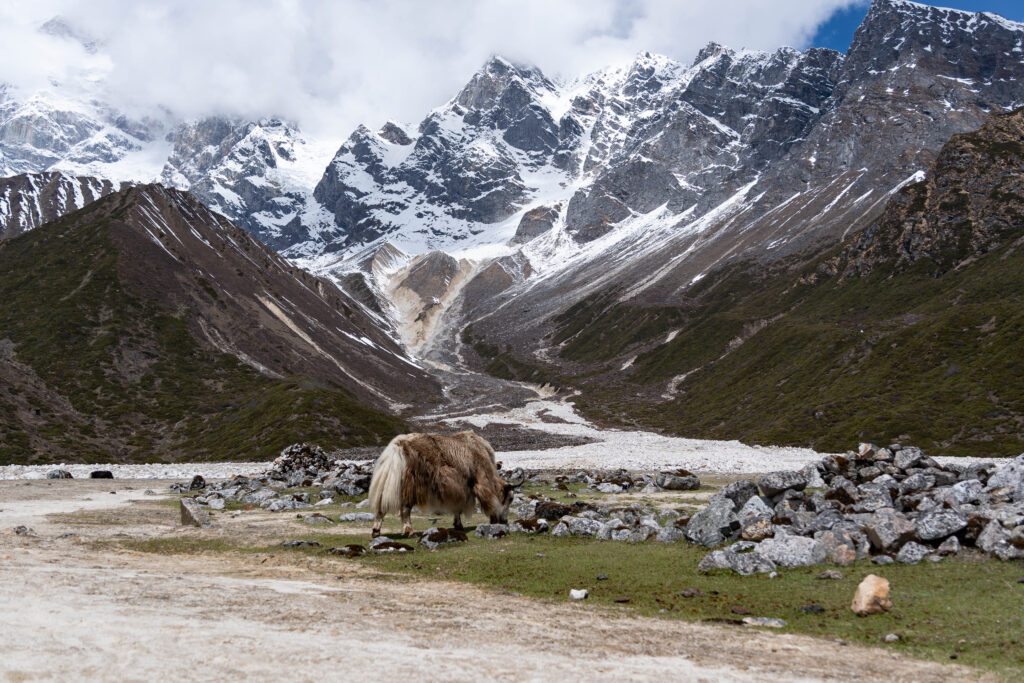
The Manaslu Circuit Trek is one of Nepal’s most breathtaking trekking adventures, taking travelers through remote Himalayan valleys, ancient Buddhist villages, dense forests, and high mountain landscapes beneath the towering presence of Mount Manaslu, the eighth-highest mountain in the world at 8,163 meters. Located in the Gorkha district of Nepal, the trek circles Mount Manaslu and follows old Himalayan trade routes that once connected Nepal with Tibet. Compared to the busier Everest and Annapurna regions, the Manaslu Circuit remains less crowded and more culturally preserved, making it one of the most authentic trekking experiences in the Himalayas.
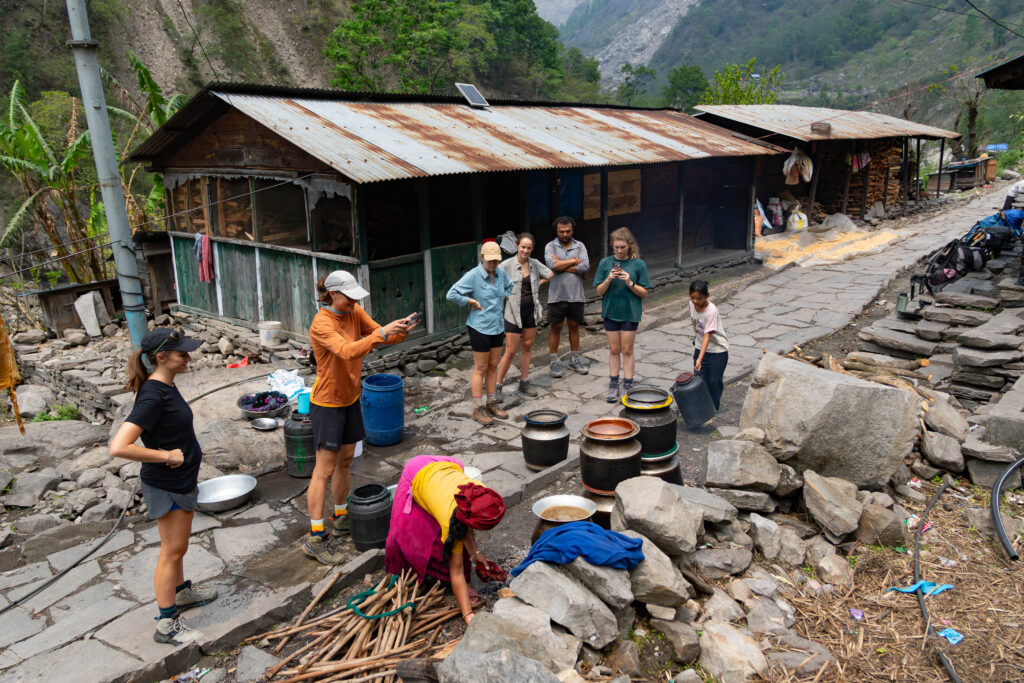
The history of the Manaslu region is deeply connected with Tibetan culture, trade, and mountain exploration. For centuries, local communities used these mountain trails to transport salt, wool, herbs, and grains between Tibet and the lower hills of Nepal. Because of its remote geography and restricted access, the region remained isolated from modern tourism for many years. The name “Manaslu” is believed to come from the Sanskrit word Manasa, meaning “spirit” or “intellect,” giving the mountain spiritual significance among local communities. International attention toward the mountain began during the 1950s when Japanese mountaineers explored the area extensively. In 1956, a Japanese expedition successfully climbed Mount Manaslu for the first time, which led many people to call it “the Japanese Mountain.” However, the trekking route itself was only officially opened to foreign trekkers in 1991. Since then, the Manaslu Circuit Trek has gradually become one of Nepal’s finest off-the-beaten-path trekking destinations.
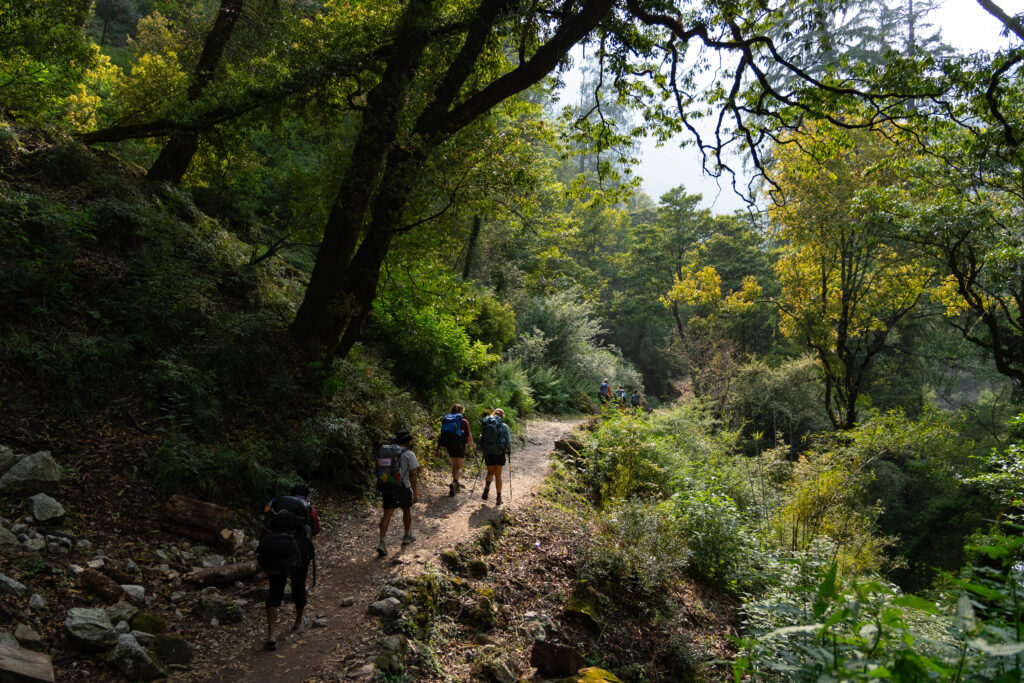
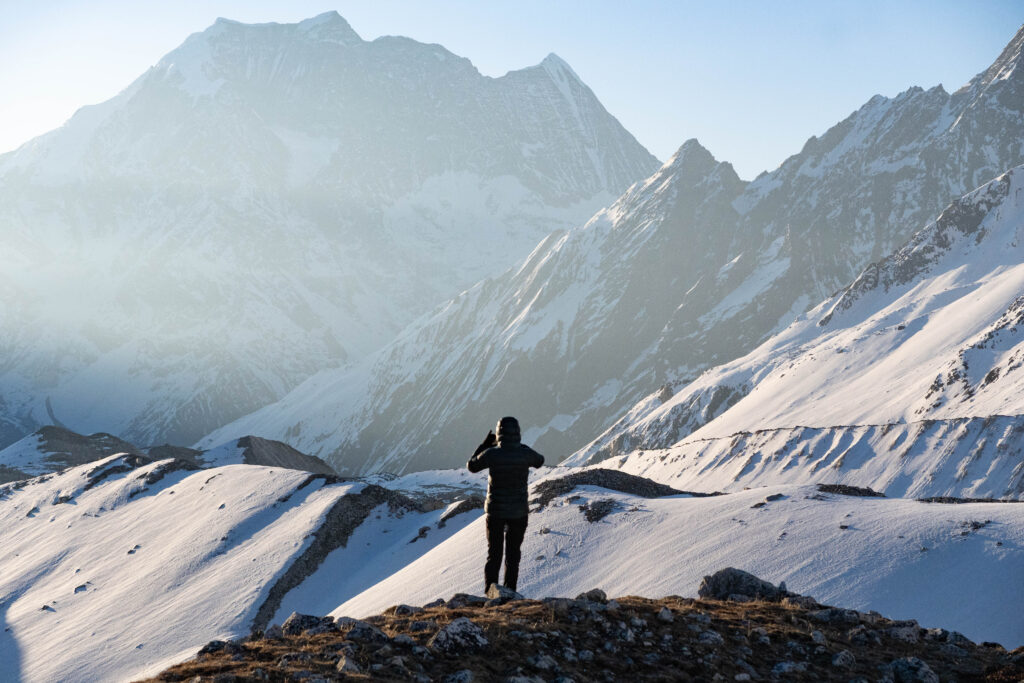
One of the most fascinating aspects of the trek is the dramatic change in elevation and landscape throughout the journey. The trek usually begins around Soti Khola at approximately 710 meters above sea level, where the climate is warm and subtropical. As trekkers gradually move higher through villages such as Jagat, Deng, Namrung, and Lho, the scenery transforms from green river valleys into alpine mountain terrain. The trail eventually reaches high Himalayan settlements like Samagaun at 3,530 meters and Samdo at 3,875 meters, where the air becomes thinner and the mountains dominate the horizon. The highest point of the trek is Larke Pass at 5,106 meters, one of the longest and most dramatic mountain passes in Nepal. Crossing Larke Pass is considered the most challenging and rewarding section of the trek, offering spectacular panoramic views of snow-covered peaks, glaciers, and rugged Himalayan landscapes.
Plants and Forests of the Manaslu Region
The Manaslu region contains a remarkable variety of vegetation because the trail passes through multiple climate zones.
Lower Region (700m – 2,000m)
The lower valleys are warm and humid, filled with:
- Pine forests
- Bamboo groves
- Rhododendron forests
- Oak and maple trees
- Ferns and medicinal herbs
Trekkers often walk through terraced farmlands where locals grow:
- Rice
- Millet
- Corn
- Potatoes
Middle Region (2,000m – 3,500m)
As elevation increases, forests become cooler and denser. Common vegetation includes:
- Blue pine
- Fir trees
- Himalayan cedar
- Juniper bushes
- Moss-covered forests
Spring is especially beautiful when rhododendrons bloom across the hillsides.
Alpine Region (Above 3,500m)
Near Samdo and Larke Pass, vegetation becomes sparse because of cold temperatures and strong winds. You’ll mostly see:
- Alpine grasslands
- Dwarf shrubs
- Hardy mountain flowers
- Lichens and mosses
These high-altitude ecosystems are fragile and incredibly important for Himalayan biodiversity.
People and Culture of the Manaslu Region
One of the greatest highlights of the trek is the opportunity to experience traditional Himalayan culture.
Gurung Communities
In the lower villages, many residents belong to the Gurung ethnic group. Gurung communities are known for:
- Warm hospitality
- Traditional farming lifestyles
- Buddhist and shamanic traditions
- Rich music and dance culture
Stone houses and terraced fields dominate these settlements.
Tibetan Buddhist Influence
Higher villages such as Lho, Samagaun, and Samdo are heavily influenced by Tibetan culture. Many locals migrated from Tibet centuries ago.
Trekkers will encounter:
- Ancient monasteries
- Mani walls
- Prayer wheels
- Chortens
- Colorful prayer flags
The people speak Tibetan dialects and practice Tibetan Buddhism.
Pungyen Gompa
This ancient monastery near Samagaun is one of the spiritual highlights of the region.
Daily life in these villages remains deeply connected to:
- Yak herding
- Trade
- Agriculture
- Buddhism
Because the region is remote, traditions have remained remarkably preserved.
Animals of the Manaslu Conservation Area
The trek passes through the Manaslu Conservation Area, which protects diverse Himalayan wildlife.
Mammals
Rare animals found in the region include:
- Snow Leopard
- Himalayan Tahr
- Blue Sheep
- Musk Deer
- Himalayan Black Bear
- Red Panda
Birds
The region is also rich in birdlife:
- Himalayan monal
- Snow partridge
- Golden eagle
- Griffon vulture
- Lammergeier
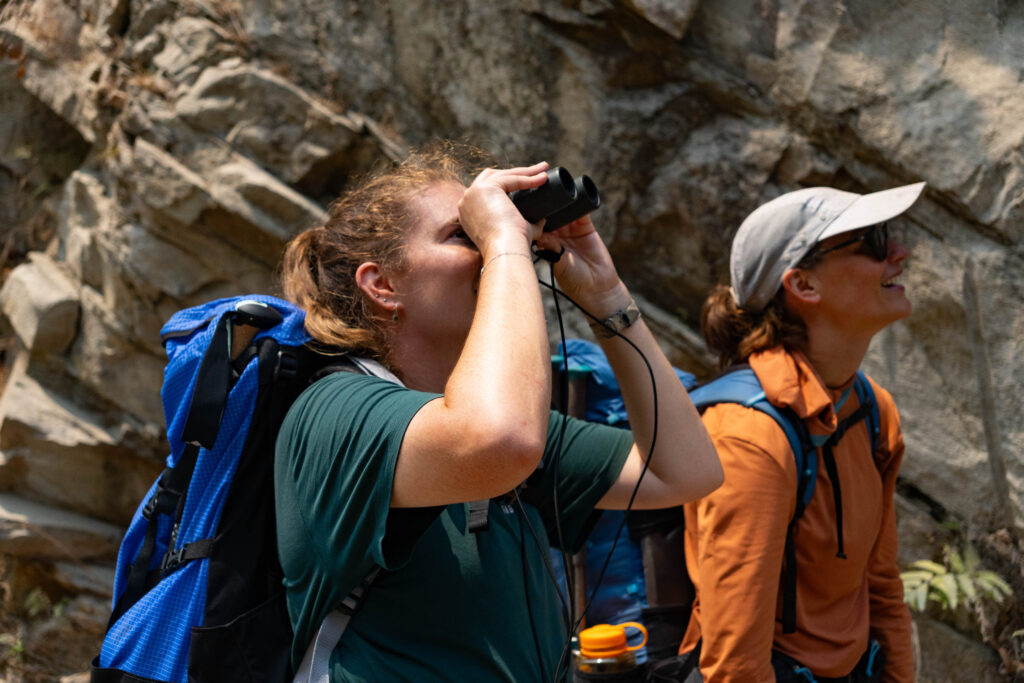
Birdwatchers often consider Manaslu one of Nepal’s hidden wildlife gems.
Domestic Animals
Trekkers commonly see:
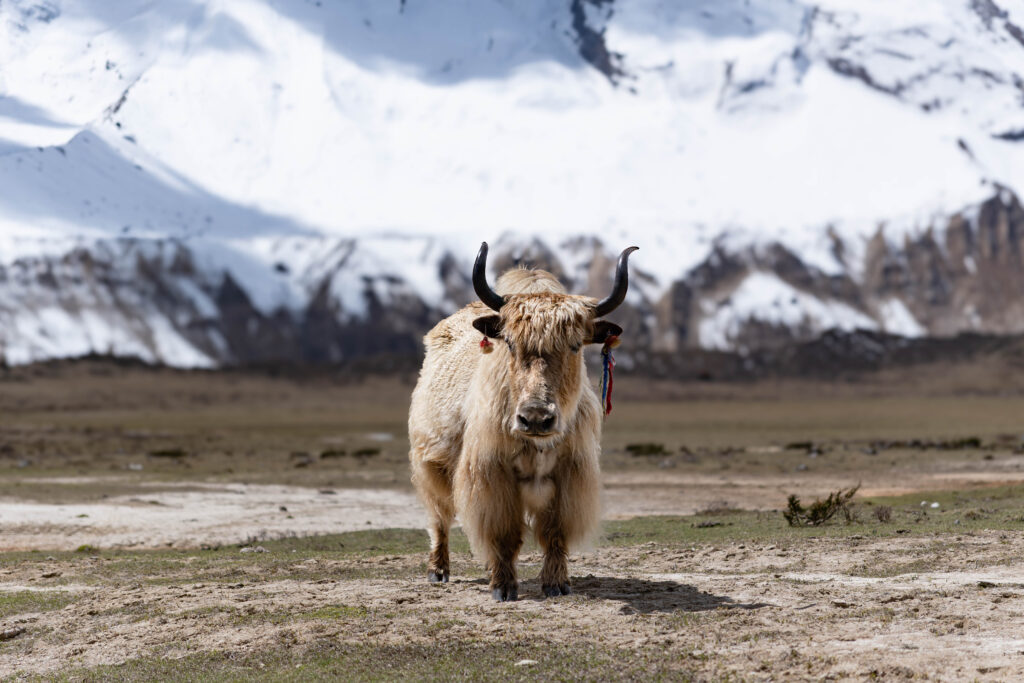
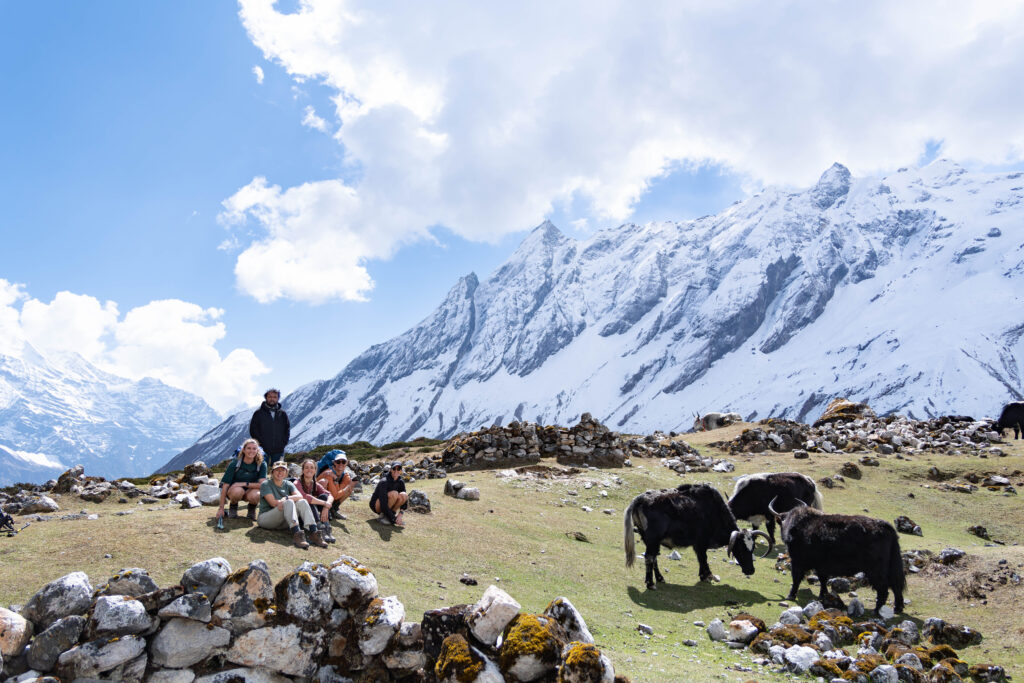
- Yaks
- Dzopkyos (yak-cow hybrids)
- Mountain goats
- Horses and mules used for transport
Yaks are especially important in higher villages for milk, butter, transport, and trade.